
What Causes Dental Implant Failure and How to Prevent It

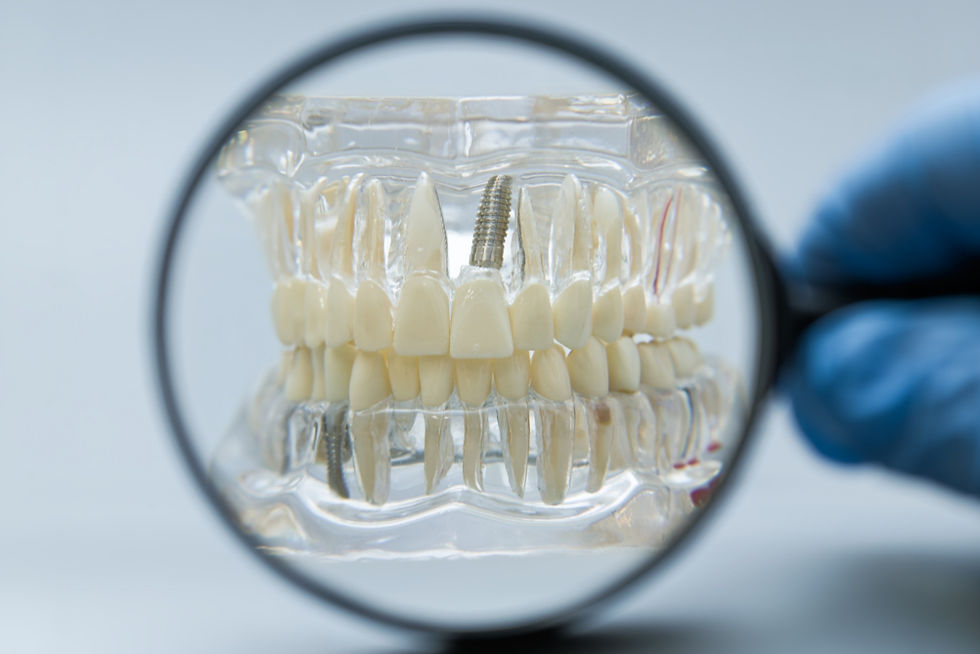
Understanding what causes dental implant failure helps patients and dental professionals catch problems early and take steps to prevent them. Dental implant failure occurs when the implant post does not bond with the surrounding bone, or when an implant that initially succeeded begins to break down over time. While dental implants carry a strong overall success rate, failure does happen, and knowing why makes a real difference in outcomes.
Dental implants are designed to function as permanent tooth replacement options, standing in for missing teeth with a titanium post that fuses to the jaw. When implant placement goes well and the patient maintains good oral hygiene, implants can last decades. When something disrupts that process, whether before surgery begins, during healing, or years later, the result can be a failed implant that requires removal and replacement.
The reasons dental implants fail range from surgical technique and bone quality to patient health conditions and daily habits. Some risk factors exist before the procedure ever starts. Others emerge during healing. And some only become problems years after the implant fully integrates. Recognizing which category a risk falls into helps patients have more productive conversations with their oral surgeon before committing to a treatment plan.
Patients researching their options can also review what dental implant services involve and who qualifies for the procedure, including how bone health and overall oral health factor into candidacy.
What Causes Dental Implant Failure?
Dental implant failure does not trace back to a single cause. Most cases involve a combination of factors, some within a patient's control and others tied to biology or surgical circumstances. The two main categories are early implant failure, which happens during the healing phase, and late implant failure, which develops after the implant has already integrated with the bone.
According to the American Academy of Implant Dentistry, dental implants have a success rate above 95 percent over a ten-year period. That figure reflects well-selected candidates who follow post-operative care instructions. Patients who fall outside those conditions face a measurably higher risk of implant failure.
Early Implant Failure vs. Late Implant Failure: What Is the Difference?
Early Implant Failure
Early implant failure occurs within the first three to four months after implant placement surgery. At this stage, the implant post has not yet fused to the jawbone, and the surrounding tissue is still in the process of healing. Early failure typically stems from inadequate primary stability at the time of placement, infection at the implant site, poor bone density, or a disruption in blood flow to the area.
Smoking is one of the most documented contributors to early failure. Nicotine reduces blood flow to the gum tissue and bone, which slows healing and limits the bone's ability to integrate with the implant surfaces. Patients who smoke face a significantly higher risk of early implant failure compared to non-smokers.
Did you know? Nicotine reduces blood flow to the surgical site, which is one reason dental professionals often recommend patients stop smoking several weeks before implant placement surgery and throughout the healing period.
Late Implant Failure
Late implant failure develops after the implant has already integrated with the bone and the restoration is in place. This category of failure usually links to inflammation and bone loss around the implant, a condition called peri-implantitis. Poor oral hygiene, untreated gum disease, excessive force from teeth grinding, and certain medical conditions can all trigger the bone loss that destabilizes a previously successful implant.
Late failure tends to progress more gradually than early failure. By the time a patient notices implant mobility or persistent pain, significant bone loss may have already occurred around the implant.
Early detection through regular dental visits gives the best chance of surgical intervention before the implant becomes unrestorable.
How Does Poor Oral Hygiene Lead to Implant Failure?
Poor oral hygiene is one of the leading reasons dental implants fail, both in the short term and long term. Bacterial infection around the implant triggers inflammation in the soft tissue and supporting bone. Left unaddressed, that inflammation causes progressive bone loss that undermines the implant's foundation.
Peri-implantitis, the implant-specific form of periodontal disease, behaves similarly to gum disease around natural teeth but tends to progress at a faster rate. Bleeding gums around the implant, swelling, and visible recession of the gum tissue are early warning signs. Patients who have a history of periodontal disease before receiving implants face a higher baseline risk for developing peri-implantitis after implant placement.
Maintaining excellent oral hygiene around the implant requires more than brushing. Flossing, using an interdental brush, and attending regular cleanings all reduce bacterial buildup in the areas around the implant. A dentist or hygienist can demonstrate the technique that works best for the specific implant and restoration type.
Quick tip: A water flosser works well for cleaning around implants where traditional floss can be difficult to maneuver. Ask the dental team which tools they recommend for the specific implant design.
What Role Does Bone Loss and Bone Density Play in Implant Success?
Bone Density and Bone Quality
Sufficient bone density provides the physical foundation that holds the implant post in place during and after healing. Insufficient bone density at the implant site means the post lacks the grip needed for adequate primary stability. Without that stability, the implant cannot integrate with the jaw, and early failure becomes likely.
Bone quality refers to the structural integrity of the bone itself, not just its volume. Patients with conditions that affect bone metabolism, including osteoporosis, long-term steroid use, or certain autoimmune disorders, may have bone that does not heal or integrate as reliably. These patients require closer evaluation before placing implants and may need modified surgical approaches or extended healing timelines.
According to the National Institutes of Health, conditions that affect bone density and bone metabolism can have a direct impact on how well bone tissue responds to surgical procedures, including dental implant surgery.
How Bone Grafting Addresses Insufficient Bone
When imaging reveals poor bone density or bone volume that falls below the threshold dental implants require, bone grafting rebuilds that foundation before implant placement begins. The graft material stimulates new bone growth, increasing the density and volume of the jaw at the implant site. Patients who complete bone grafting and allow adequate healing time before placing implants remove one of the most significant structural risk factors for failure.
The Local Start Dental implants page outlines how the team evaluates bone health as part of the initial consultation and what the process looks like when grafting is part of the treatment plan.
Which Health Conditions Increase the Risk of Dental Implants Failing?
Certain systemic health conditions affect the body's ability to heal from dental implant surgery and maintain the bone and tissue around the implant over time. These conditions do not automatically disqualify a patient, but they do require careful evaluation and a modified treatment plan.
Health conditions that raise the risk of implant failure include:
Uncontrolled diabetes: High blood sugar impairs healing and increases the risk of bacterial infection at the implant site. Patients with well-managed diabetes typically have outcomes closer to those of non-diabetic patients.
Autoimmune disorders: Conditions that affect immune response can interfere with how the body accepts the implant and heals the surrounding tissue.
Osteoporosis and bone metabolism conditions: Reduced bone density makes it harder for the jaw to support the implant post and may affect how well new bone forms around the implant surfaces.
Cardiovascular disease and medications affecting blood flow: Adequate blood flow to the surgical site is critical for healing. Conditions or medications that restrict circulation can slow that process.
A history of radiation therapy to the jaw: Radiation affects bone quality and blood supply in ways that significantly increase the risk of implant failure in treated areas.
Patients with any of these conditions should share their full medical and dental history with the oral surgeon before surgery begins. A thorough review allows the dental team to adjust the surgical technique, timing, or pre-operative preparation to reduce risk.
How Does Teeth Grinding Cause Late Implant Failure?
Teeth grinding, also called bruxism, places excessive force on implants that the bone and surrounding tissue were not designed to absorb continuously. Unlike natural teeth, implants lack the periodontal ligament that cushions force during chewing. That means the full impact of grinding transfers directly to the implant post and the supporting bone around it.
Excessive Force and Its Effect on Bone Around the Implant
Over time, excessive force from grinding causes microfractures in the bone around the implant and accelerates bone loss at the implant site. This bone loss reduces the implant's stability and can eventually lead to implant mobility. Patients who grind their teeth and have multiple implants or implant supported dentures face compounded risk, since the force distributes across multiple implant sites simultaneously.
A night guard protects implants from the impact of grinding during sleep. Patients who know they grind their teeth should discuss this with the dental team before implant placement and plan for a night guard as part of ongoing implant care.
Quick tip: If a crown or implant restoration feels uneven when biting down, get it adjusted promptly. An uneven bite concentrates force on one area and accelerates wear on both the implant and the surrounding bone.
What Are the Signs of a Failed Dental Implant?
Recognizing the signs of implant failure early gives the dental team a better chance at surgical intervention before the situation becomes unmanageable. Some signs appear during initial healing, while others develop months or years after implant placement.
Warning signs that warrant a prompt dental evaluation include:
Persistent pain or discomfort at the implant site that does not resolve after the expected healing period
Implant mobility or a sensation that the implant is shifting or loose
Swelling, bleeding gums, or pus around the implant
Visible recession of the gum tissue exposing the implant post
A change in bite that makes chewing feel uneven or uncomfortable
Significant bone loss visible on imaging at a routine dental exam
Early detection makes the difference between a manageable complication and a failed implant that requires full removal. Patients who notice any of these signs should contact their dental office rather than waiting for the next scheduled appointment.
How to Prevent Dental Implant Failure
Preventing dental implant failure starts before surgery begins and continues for the life of the implant. The combination of proper patient selection, sound surgical technique, and consistent post-operative care produces the best long-term outcomes.
Maintaining Excellent Oral Hygiene Around the Implant
Excellent oral hygiene is the single most controllable factor in long-term implant success. Brush twice daily with a soft bristled toothbrush, clean around the implant with floss or an interdental brush, and attend professional cleanings as recommended. These habits prevent the bacterial buildup that leads to peri-implantitis and the bone loss that follows.
Patients who have a history of gum disease or periodontal disease before receiving implants should maintain a more frequent cleaning schedule. The underlying susceptibility to bacterial infection does not disappear after implant placement, so the maintenance effort has to match that risk level.
Following Post-Operative Instructions to Heal Properly
The weeks immediately following implant placement surgery are when early failure is most likely to occur. Patients who eat soft foods, avoid chewing at the implant site, follow antibiotic and pain management protocols, and return for all follow-up visits give the implant the conditions it needs to integrate with the jaw.
Skipping follow-up appointments is one of the more common ways problems go undetected during initial healing. The oral surgeon monitors bone growth, checks for signs of bacterial infection, and confirms the implant is integrating on schedule. Missing those checkpoints removes the early warning system.
Frequently Asked Questions About Dental Implant Failure
Can a failed dental implant be replaced?
Yes. A failed implant can be removed, the site allowed to heal, and a new implant placed after the area has recovered. In some cases, bone grafting is needed to rebuild the bone before placing implants again. The timeline and approach depend on the reason for the original failure and the current condition of the bone and surrounding tissue.
How common is dental implant failure?
Dental implants have a success rate above 95 percent over ten years in well-selected patients. The subset of patients who smoke, have uncontrolled systemic health conditions, or have significant bone loss before surgery see higher failure rates. Early failure accounts for a smaller portion of cases than late failure related to peri-implantitis.
Does gum disease disqualify someone from getting dental implants?
Active gum disease or periodontal disease needs treatment before implant placement begins. Placing implants in a mouth with active infection puts the implant site at immediate risk. Once gum disease is under control and the patient demonstrates the ability to maintain good oral hygiene, implants become a viable option for most patients.
How long does it take to know if a dental implant has failed?
Early implant failure typically becomes apparent within the first three to four months, during the osseointegration phase when the bone should be fusing to the implant. Late failure can occur years after placement. Regular dental exams with imaging allow the dental team to track bone levels around the implant and catch changes before they become critical.
Does diabetes cause dental implants to fail?
Uncontrolled diabetes raises the risk of implant failure by impairing wound healing and increasing susceptibility to bacterial infection. Patients with well-controlled diabetes typically have implant success rates comparable to non-diabetic patients. The key is blood sugar management before and after implant surgery, along with careful monitoring during the healing period.
What is peri-implantitis and how is it treated?
Peri-implantitis is an inflammatory condition affecting the soft tissue and bone around a dental implant, driven by bacterial infection. It is the implant equivalent of periodontal disease. Treatment ranges from non-surgical cleaning of the implant surfaces to surgical intervention to remove infected tissue and regenerate lost bone. Early detection gives the best chance of saving the implant.
Can teeth grinding be fixed before getting implants?
Bruxism cannot always be eliminated, but it can be managed. A night guard reduces the force the implant absorbs during sleep. Stress management, bite adjustments, and in some cases muscle relaxant therapy can also reduce grinding intensity. Patients who grind their teeth should discuss implant candidacy and protective options with their oral surgeon before moving forward.
Talk to a Dental Professional About Your Implant Options
Dental implant failure is not inevitable. Most patients who receive implants from an experienced dental team, maintain good oral hygiene, and stay consistent with follow-up care keep their implants for life. Understanding the risk factors, from bone density and bone quality to health conditions and daily habits, puts patients in a better position to protect that investment.
The earlier problems get identified, whether during the evaluation phase or at a routine checkup years after placement, the more options exist for intervention. Waiting until a failed implant reaches the point of visible mobility or significant bone loss limits what can be done.
Local Start Dental works with patients to evaluate implant candidacy, address risk factors before surgery begins, and build a treatment plan that supports long-term implant success. Call 919.569.5533 or contact the team online to schedule a consultation and get a clear picture of your options.
Disclaimer: This article provides general educational information about dental implant failure and its causes. It does not substitute for a professional evaluation or personalized treatment plan. Every patient's dental history, medical conditions, and oral health differ. Consult a licensed oral surgeon or dental specialist before making decisions about dental implant surgery.


